- Oil prices rose
Noticias del mercado
Oil prices rose
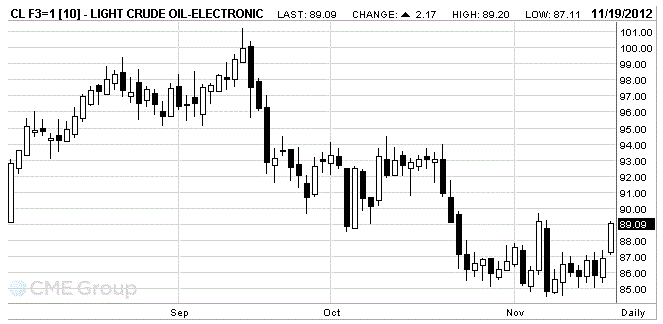
Oil prices rose to their highest level in nearly two weeks on fears that the tense situation in the Middle East could disrupt supplies. Also, market participants are watching the situation of reducing spending and raising taxes, and which is known as a "financial cliff."
Prices began to rise after the Israeli ground forces began preparing for the invasion of the Gaza Strip for the first time in nearly four years, if efforts to stop the fire will not succeed.
Also yesterday, U.S. President Barack Obama said he is "confident" in reaching an agreement to avoid the so-called "financial failure."
Economists note that increased tension in the Middle East almost always leads to higher prices for crude oil. At the same time, world leaders, including Obama, have called for an end to the conflict before it escalates further. Note that the attack threatens further instability in the Middle East and North Africa, which, according to data mined in 2011, more than 35% of total world production.
Also, the increase in oil prices affected the published data on the U.S., which showed that sales in the secondary market rose in October by 2.1%, or to the level of 4.79 million units on an annualized basis.
January futures price of U.S. light crude oil WTI (Light Sweet Crude Oil) rose to 89.05 dollars a barrel on the New York Mercantile Exchange.
January futures price for North Sea petroleum mix of mark Brent rose $2,12 to 112.21 dollars a barrel on the London Stock Exchange ICE Futures Europe.
 Material posted here is solely for information purposes and reliance on this may lead to losses. Past performances are not a reliable indicator of future results. Please read our full disclaimer